Table of Contents
Introduction
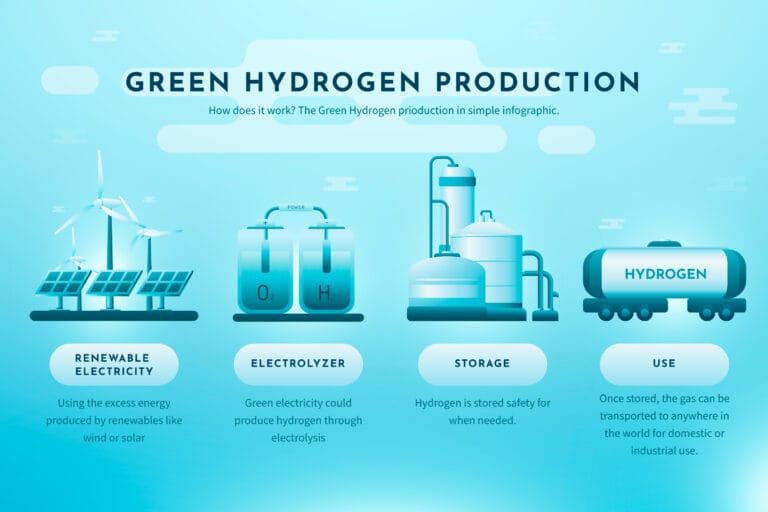
The race to replace fossil fuels with green hydrogen has entered a critical new phase.
Researchers and companies around the world are now testing a new generation of water-splitting devices designed to convert water into hydrogen using renewable electricity.
As Science.org reports, these systems — ranging from high-efficiency electrolyzers to innovative prototypes — could finally make clean hydrogen production practical at scale.
But the stakes are high: global energy sectors are counting on hydrogen to power heavy industry, long-distance transport, and energy storage. Whether these new devices can live up to their promise will determine if hydrogen can truly rival oil, gas, and coal as a backbone of a sustainable economy.
Background: The Promise and the Problem
Hydrogen is one of the most abundant elements on Earth, and when burned or used in a fuel cell, it produces only water — no carbon dioxide.
The challenge, however, is how to produce it cleanly and affordably.
Today, nearly all hydrogen comes from natural gas, a process that releases large amounts of CO₂. “Green hydrogen,” produced by splitting water molecules with renewable electricity, remains expensive — often two to three times more than conventional hydrogen.
The Science.org article notes that researchers are tackling this challenge by developing water-splitting devices that are smaller, cheaper, and more efficient — systems that could be manufactured at scale, installed on-site at renewable plants, and operated with minimal maintenance.
Technological Insights
Making Hydrogen Work for the Real World
At the heart of these innovations are improved electrolyzers — the machines that use electricity to separate hydrogen and oxygen in water.
Traditional electrolyzers rely on rare and costly materials like platinum and iridium, which drive up production costs.
Newer designs, however, use earth-abundant materials and simplified membranes, making them both cheaper and easier to mass-produce.
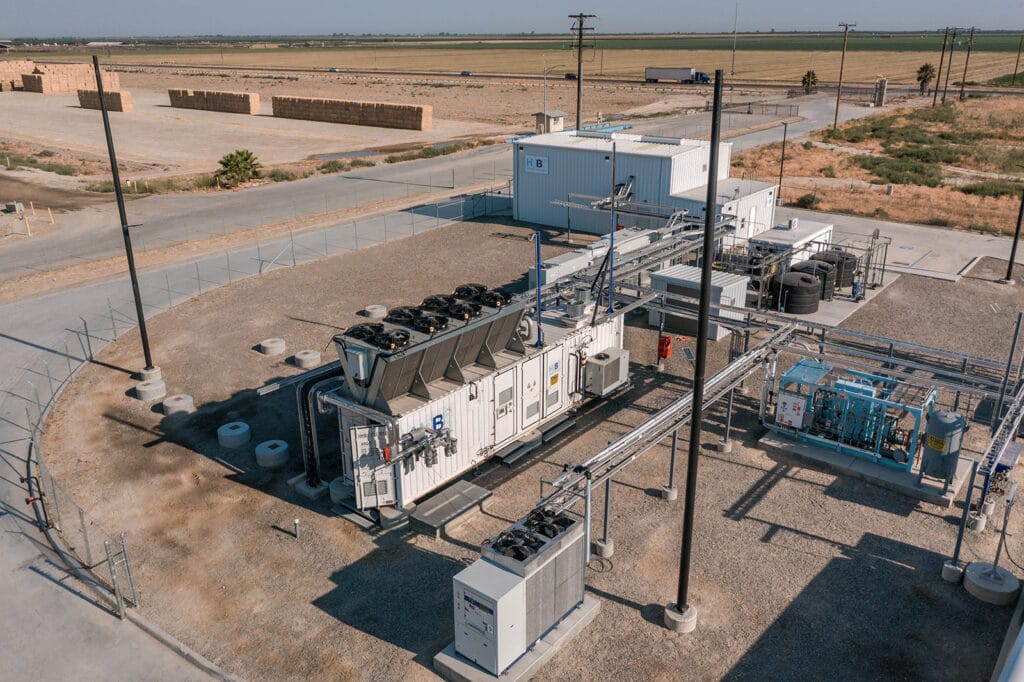
According to Science.org, these devices are moving out of the lab and into field tests. Several pilot programs are underway, evaluating their performance in real-world conditions such as fluctuating renewable energy supply from wind or solar sources.
This marks an important evolution: hydrogen research is no longer confined to experimental chemistry but is expanding into industrial systems engineering. The goal is to integrate these devices seamlessly into renewable power grids and existing infrastructure.
Scaling Up: From Lab Bench to Energy Backbone
While the prototypes show impressive performance, the article emphasizes that scaling remains the greatest challenge.
Producing green hydrogen at industrial scale requires massive amounts of electricity — and vast networks of devices operating continuously under harsh conditions.
To achieve meaningful impact, the world must increase electrolyzer production by hundreds of times over the next decade.
The Science.org piece also highlights the logistical and financial barriers:
- High capital costs of electrolyzer factories and renewable integration.
- Supply chain limitations for specialized membranes and catalysts.
- Need for international standards and infrastructure, such as hydrogen pipelines and storage systems.
Despite these obstacles, optimism is growing. Major economies — including the EU, Japan, and the U.S. — are heavily funding hydrogen innovation as a cornerstone of their net-zero strategies.
Collaboration Between Science and Industry
One of the defining messages of the Science.org report is that collaboration will decide success.
Many breakthroughs now come from multidisciplinary teams combining chemistry, materials science, and mechanical engineering — often supported by private companies investing in pilot-scale plants.
Such partnerships are essential to transition from promising prototypes to commercially viable energy systems.
This mirrors the core mission of BMF-Science, which connects researchers, companies, and policy institutions to accelerate real-world technology transfer.
Projects like these demonstrate how academic innovation can merge with industrial ambition to push the clean-energy frontier forward.
Societal and Environmental Implications
If successful, these technologies could reduce global CO₂ emissions dramatically by replacing fossil fuels in sectors that are otherwise difficult to decarbonize — steelmaking, fertilizer production, long-haul trucking, and shipping.
Green hydrogen also has the potential to stabilize renewable power grids, storing surplus solar or wind energy in chemical form for later use.
This capability could redefine the concept of energy security — moving nations away from dependence on imported fossil fuels toward self-sustaining, renewable-based energy systems.
However, Science.org cautions that progress will depend not only on scientific breakthroughs but also on policy frameworks and public investment to support scaling and infrastructure.
BMF-Science Perspective
At BMF-Science, we view this evolution as a perfect embodiment of our mission – connecting research with industry to enable clean technological transformation.
The development of next-generation water-splitting devices isn’t just a scientific achievement; it’s a foundation for new business models, partnerships, and sustainable industries.
By helping researchers collaborate with energy companies, we can bridge the final gap between lab-scale efficiency and global-scale impact.
This is where science meets strategy — and where the hydrogen economy begins to take shape.
Collaborate with BMF-Science to connect with research groups, industrial leaders, and funding networks that transform scientific potential into practical solutions.